
RISON - For many, the phrase "estate planning" conjures images of dusty law offices and uncomfortable conversations about the inevitable.
However, in a the latest episode of Free Range Conversations, experts and community members gathered to reframe the topic as a vital tool for family harmony and personal agency in advance of a workshop set for this Thursday.
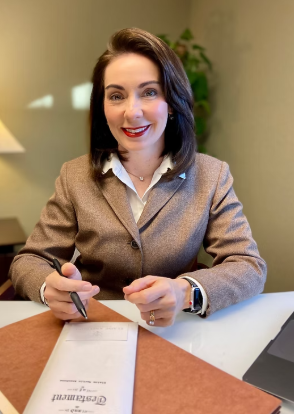
Elaine Kneebone, an Arkadelphia-based attorney specializing in wills, trusts, and elder law, the discussion highlighted that planning is less about the end of life and more about protecting those who remain.
Joining Kneebone on the podcast are co-hosts Britt Talent and Douglas Boultinghouse, along with special guests Austin Compton, Cleveland County’s Family and Consumer Science Extension Agent; and Extension Homemakers Council members Jenny Wright and Loletia Terry.
More Than a Document: A Roadmap for Families
The motivation behind the upcoming estate planning workshop on Thursday, April 16, is rooted in real-world experience.
Wright took the initiative to organize the event after seeing families fractured by a lack of preparation.
"I've seen so many families pulled apart because they didn't plan and they left it up to the kids," Wright shared. "I would like for them to be able to still love each other when it’s all said and done."
Kneebone agrees, noting that the majority of her clients only seek help after struggling through a "disaster" involving someone else’s poorly planned affairs.
"The biggest mistake is that people wait too long to get started," she warned.
Thursday’s workshop will be held at the Cleveland County Fairgrounds, 17 Fairgrounds Drive in Rison.
Registration begins at 9:30 a.m. and lunch will be provided. To RSVP, please the Cleveland County Extension Office at (870) 325-6321.
Currently around 30 people have registered for the workshop.
Understanding the Toolkit: Wills vs. Trusts
Kneebone categorized the essential documents into two primary buckets: those that take effect after death and those that protect you while you are still alive.
• Last Will and Testament: Described as a "roadmap through probate," a will is a relatively simple document that directs asset distribution. However, probate is a public court process that many families prefer to avoid.
• Trusts: These are more complex and "powerful tools" that, when set up correctly, allow a family to avoid the probate process entirely.
• Powers of Attorney: These documents allow a trusted individual to make financial or medical decisions if you become incapacitated.
Kneebone emphasized that planning is particularly crucial for blended families with "his, hers, and ours" scenarios, where multiple layers of beneficiaries can lead to confusion without clear legal direction.
The Reality of "Living" Documents
The conversation took a personal turn with Boultinghouse, who is currently navigating a brain injury diagnosis within his family. His situation underscores why Powers of Attorney are essential long before a crisis hits.
"It's really an act of love to help them step through this process, too," Kneebone told Boultinghouse, noting that proactive planning allows an individual to maintain "agency" and "control" even after a difficult diagnosis.
Without these documents, families may be forced to petition the court for guardianship—a process Kneebone recommends avoiding if possible, as it involves proving in court that a loved one can no longer handle their own affairs.
Practical Steps for the "Detective Work"
Beyond the legal paperwork, Kneebone and the panel discussed the "logistics" of modern life that can stall an estate's settlement.
• Digital Access: In the age of paperless billing and two-factor authentication, heirs can find themselves locked out of essential accounts. "If that phone number gets disconnected, you’re screwed," Moulton noted regarding security codes.
• Vehicle and Property Records: Finding physical car titles is often one of the hardest parts of probate.
• Asset Location: With many people using multiple banks or apps, heirs are often left "putting on a detective hat" just to find where the money is.
A Gift of Peace
Ultimately, estate planning is a specialized process that should be tailored to each family’s unique circumstances—whether that involves protecting a child with special needs or ensuring a spouse receives Social Security benefits.
"Estate planning is really an act of care," Kneebone concluded. "It’s about making things easier on the people that are going to survive you... giving them some peace of mind."