

David West is Cleveland County’s Staff Chair and Agriculture Agent with the University of Arkansas System Cooperative Extension Service. Contact David via email at dwest@uada.edu or phone at (870) 325-6321.
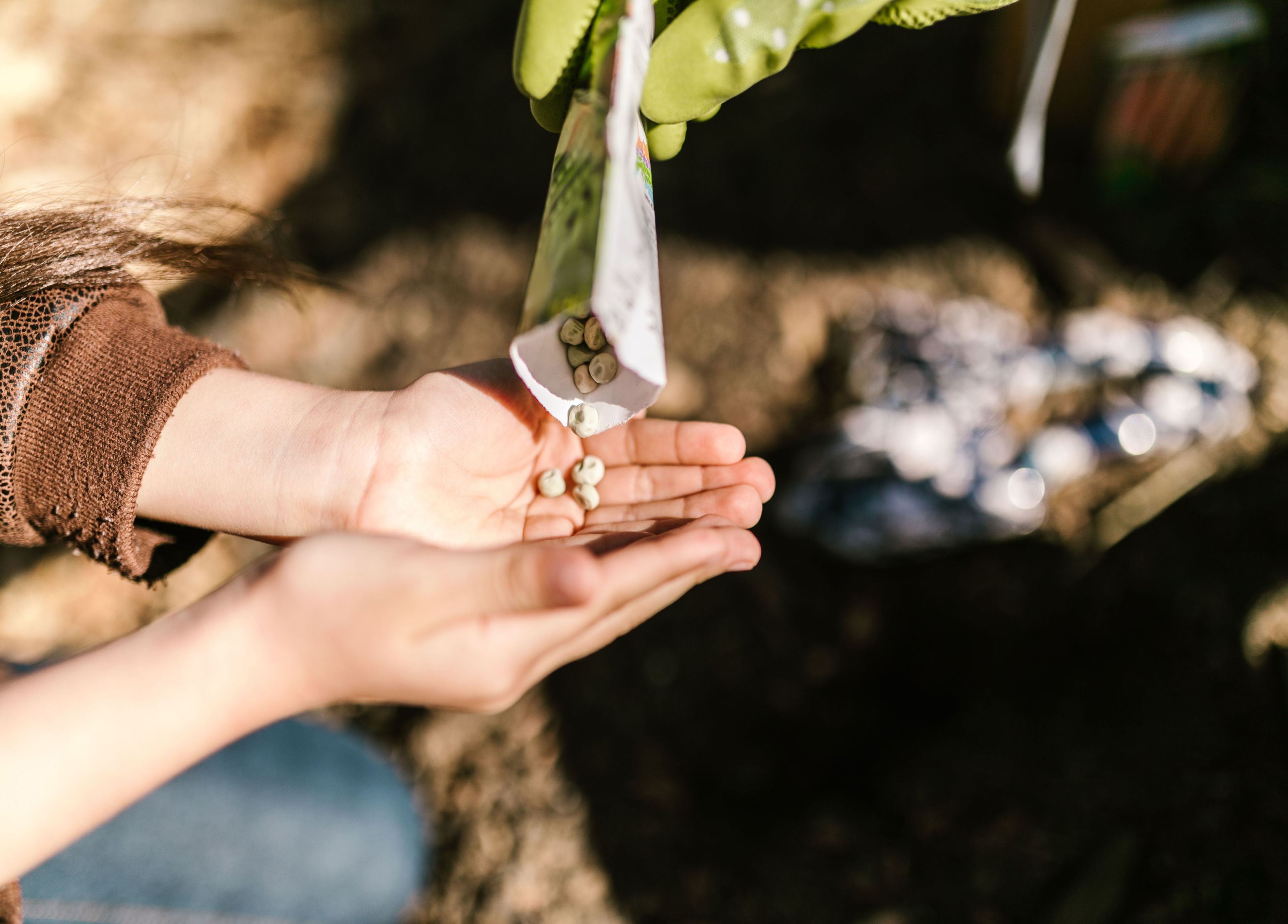
The practice of saving seeds from your garden has been going on since the dawn of agriculture. Many gardeners may have accidentally saved seeds, allowing ripe fruits to drop, sprouting into plants the following year. However, intentionally saving seeds from season to season has many benefits for gardeners and is fairly easy to do.
In her article, “Saving Seeds From Your Garden,” White County Extension Agent Sherri Sanders covers several things to remember when collecting seed from your garden.
Choose Open-Pollinated Varieties, Not Hybrids
Varieties of several vegetables that we purchase the seed or plants for our gardens are hybrids. These plants are products of crosses between two different varieties, combining the desirable traits of the parent plants. The seeds from hybrid crops may or may not produce viable seed. If they produce plants, they will not be like their parents. This isn’t as critical with hybrid flowers, but be prepared for plants of different size and flower colors. However, with vegetables, these seeds may not yield fruit of the optimum flavor, size or color or plant growth habit.
The Fruit/Seed Must Be Mature
When saving seed from ornamental flowering plants, such as zinnias, marigolds, and coneflowers, wait until the flower is completely shriveled and dry. The seed of these plants will be attached to the shriveled petals. Seeds from pods, such as peas, beans, lupine and larkspur, should also be harvested from pods that are completely dry. The seeds will rattle inside the pod. Remove them from the plant and dry them at least two weeks before shelling.
An exception is impatiens; the fleshy fruit becomes plump and then explodes, flinging the seeds away from the parent plant. Carefully pick these fruit and place them in a paper bag to catch the seeds.
Seeds from flesh fruit, such as peppers and pumpkins, should be collected when the fruit is completely ripe and even over ripe and starting to shrivel on the plant. Scoop the seeds out and separate from the gel or pulp, rinse them off and lay them out on paper towels to thoroughly dry. Seeds that aren’t completely dried may mold while in storage.
Store Them In The Right Environment
Seeds are living organisms and if they are stored improperly, they will lose their viability. They should be stored dry in a cool location, and preferably in an airtight container. Put the seeds in a small paper envelope or wrap in paper. Label the envelope with the name of the plant and the date you collected the seed. Place the envelopes in a glass jar or airtight plastic container. To keep the seed dry, it is a good idea to put a desiccant in the jar to absorb moisture from the air. Silica gel that is sold in bulk for drying flowers can be used or the small packets of desiccants often found in shoe boxes. A tablespoon or two of powdered milk wrapped in a facial tissue and placed in the seed storage container will also work to absorb excess moisture from the air. Seal the container and store it in the back of your refrigerator.
For more information about saving seeds, you can contact the Cleveland County Extension office at (870) 325-6321 or Email dwest@uada.edu
Pursuant to 7 CFR § 15.3, the University of Arkansas System Division of Agriculture offers all its Extension and Research programs and services (including employment) without regard to race, color, sex, national origin, religion, age, disability, marital or veteran status, genetic information, sexual preference, pregnancy or any other legally protected status, and is an equal opportunity institution.