
Austin Compton is Cleveland County’s Family and Consumer Science Agent with the University of Arkansas System Cooperative Extension Service. Contact Austin via email at acompton@uada.edu or phone at (870) 325-6321.

Austin Compton
Diabetes is a disorder of the way your body produces or responds with the hormone, insulin. Most of the food people eat is broken down into glucose, the form of sugar in the blood. Glucose is the main source of fuel for the body. After digestion, glucose passes into the bloodstream, where it is used by cells for growth and energy. For glucose to get into cells, insulin - a hormone produced by the pancreas - must be present.
When we eat, the pancreas automatically produces the right amount of insulin to move glucose from blood into the cells. In people with diabetes, the pancreas either does not produce insulin, or the cells do not respond to the insulin that is produced, a condition called "insulin resistance." Glucose builds up in the blood, overflows into the urine, and passes out of the body. So, the body loses its main source of fuel even though the blood contains large amounts of glucose.
Type 1 Diabetes is an autoimmune disease. The immune system attacks the insulin-producing beta cells in the pancreas, causing it to produce little to no insulin. This type cannot be cured and is not formed from lifestyle habits. Type 2 Diabetes is the most common form that makes up about 90-95 percent of people with diabetes. This form of diabetes is most often associated with older age, obesity, family history of diabetes, previous history of gestational diabetes, physical inactivity, and certain ethnicities. Your body becomes resistant / used to the insulin in the body, causing the blood sugar levels to not drop as much as it should when responding to insulin. This is caused by daily high blood sugar, which means that insulin is being released more frequently. The more frequent, the higher chance your body becomes resistant to insulin. This type can be reversed and is normally formed from lifestyle habits.
Diabetes is widely recognized as one of the leading causes of death and disability in the United States. It is associated with long-term complications that affect almost every part of the body. The disease often leads to blindness, heart and blood vessel disease, stroke, kidney failure, amputations, and nerve damage. Uncontrolled diabetes can complicate pregnancy, and birth defects are more common in babies born to women with diabetes.
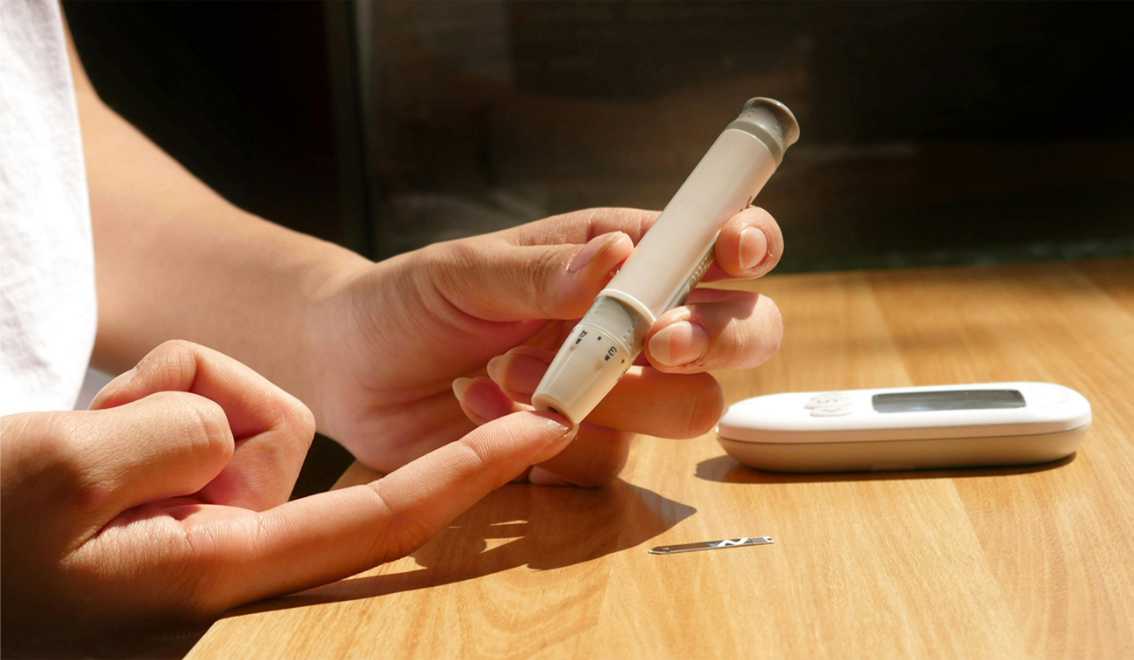
Today, healthy eating, physical activity, and taking insulin are the basic therapies for type 1 diabetes. The amount of insulin must be balanced with food intake and daily activities. Blood glucose levels must be closely monitored through frequent blood glucose checking. Healthy eating, physical activity, and blood glucose testing are the basic management tools for type 2 diabetes. In addition, many people with type 2 diabetes require one or more diabetes medicines—pills, insulin, and other injectable medicine—to control their blood glucose levels. Diabetes is a serious disease, but you can successfully manage diabetes and avoid the serious health problems it can cause if you monitor your a1c, blood pressure, and cholesterol numbers as well as making healthy food choices and being physically active.
Adapted from: Diabetes Overview, NIH Publication No. 09–3873, November 2008, updated August 23, 2017.
Pursuant to 7 CFR § 15.3, the University of Arkansas System Division of Agriculture offers all its Extension and Research programs and services (including employment) without regard to race, color, sex, national origin, religion, age, disability, marital or veteran status, genetic information, sexual preference, pregnancy or any other legally protected status, and is an equal opportunity institution.