

RISON - In a move that mirrors a growing national effort, the Cleveland County Quorum Court recently passed a resolution officially declaring 911 dispatchers as first responders.
This local recognition is part of a broader federal push in Congress to reclassify emergency telecommunicators from "clerical workers" to "first responders," acknowledging the high-stakes, life-saving nature of their work.
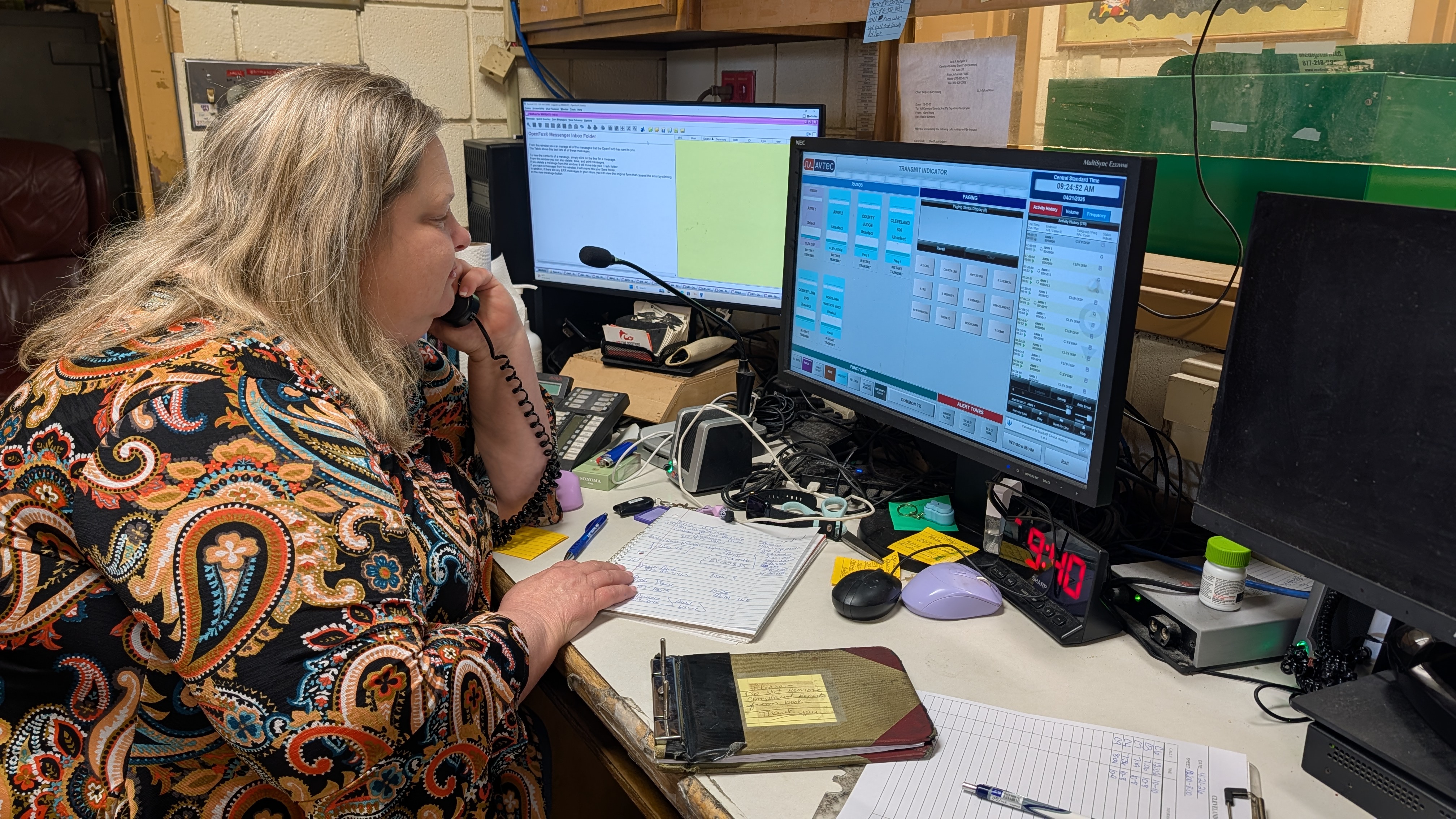
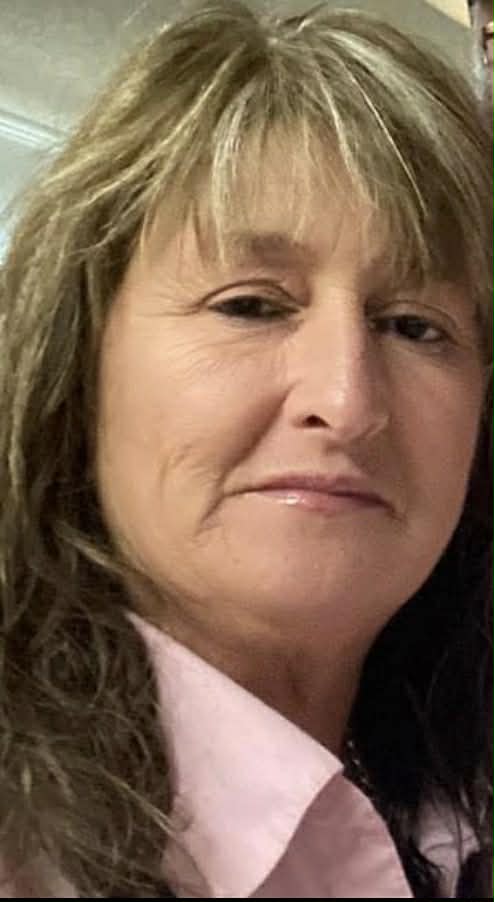
For Erica Best, the Communications Coordinator for the Cleveland County Sheriff’s Department, the title change is more than symbolic—it is an accurate reflection of 27 years on the front lines.
"We are the first line of communication for anything that happens in the county," Best explained during a recent Free Range Conversations podcast recorded during telecommunications week.
"They call us the voice during the chaos,” she said.
Shattering the "Sleepy County" Myth
While outsiders may view Cleveland County as a quiet rural area, the numbers handled by Best’s five-person team tell a different story.
Last year alone, the department processed over 4,000 911 calls—a figure that doesn’t even include the thousands of additional calls on the administrative line.
Approximately 50 percent of these calls are medical emergencies where every second counts.
"Time is of the essence right there," Best noted, explaining that dispatchers must act as the "first first responder," providing critical instructions before an ambulance or deputy even arrives on the scene.
Calm Under Pressure
The job of a dispatcher is an exercise in extreme multitasking. Best describes scenarios where she is on the phone with people while simultaneously operating a radio to give live feedback to responding officers.
In high-risk situations like domestic disturbances, the dispatcher’s role is to gather tactical intelligence to keep responders safe.
"I have to know... are there any weapons involved?" Best said. "The more information that we as dispatchers have that we can relay to our officers, the better off they are prepared."
Maintaining personal composure is a requirement of the professional training dispatchers now undergo at the academy in Camden.
Best emphasizes that a dispatcher’s tone can dictate the outcome of an emergency.
"If we start fretting and getting anxious, it then carries over to them. If we continue to be calm during chaos, then they stay calm,” she said.
The Spiritual and Emotional Toll
In a tight-knit community like Cleveland County, the calls are often deeply personal. "It is very difficult when we take calls understanding there's a good chance you'll know that person," Best admitted.
She shared a particularly poignant memory of a devastating accident on Highway 63. She remained on the line with a man trapped in the wreckage who told her, "Ma'am, I'm not gonna make it... and I don't know if I'm saved."
"The Lord blessed me enough to put me in a position that I was able to lead him to the Lord," Best recalled. "I was on the phone with him when he took his last breath. Those are the things that people don't know.”
A Culture of Support
Handling devastating calls daily requires what Best describes as a "heart of service" and a robust support system.
Best credits the leadership at the Sheriff's Department—including former Sheriffs Joe Paul King and Jack Rodgers, and Sheriff-elect Brad Young—for maintaining an "open-door policy" that allows dispatchers to decompress, cry, or talk through the trauma of the job.
Ultimately, the new classification as first responders provides these unseen professionals access to programs and resources to help them cope with the mental weight of their service.
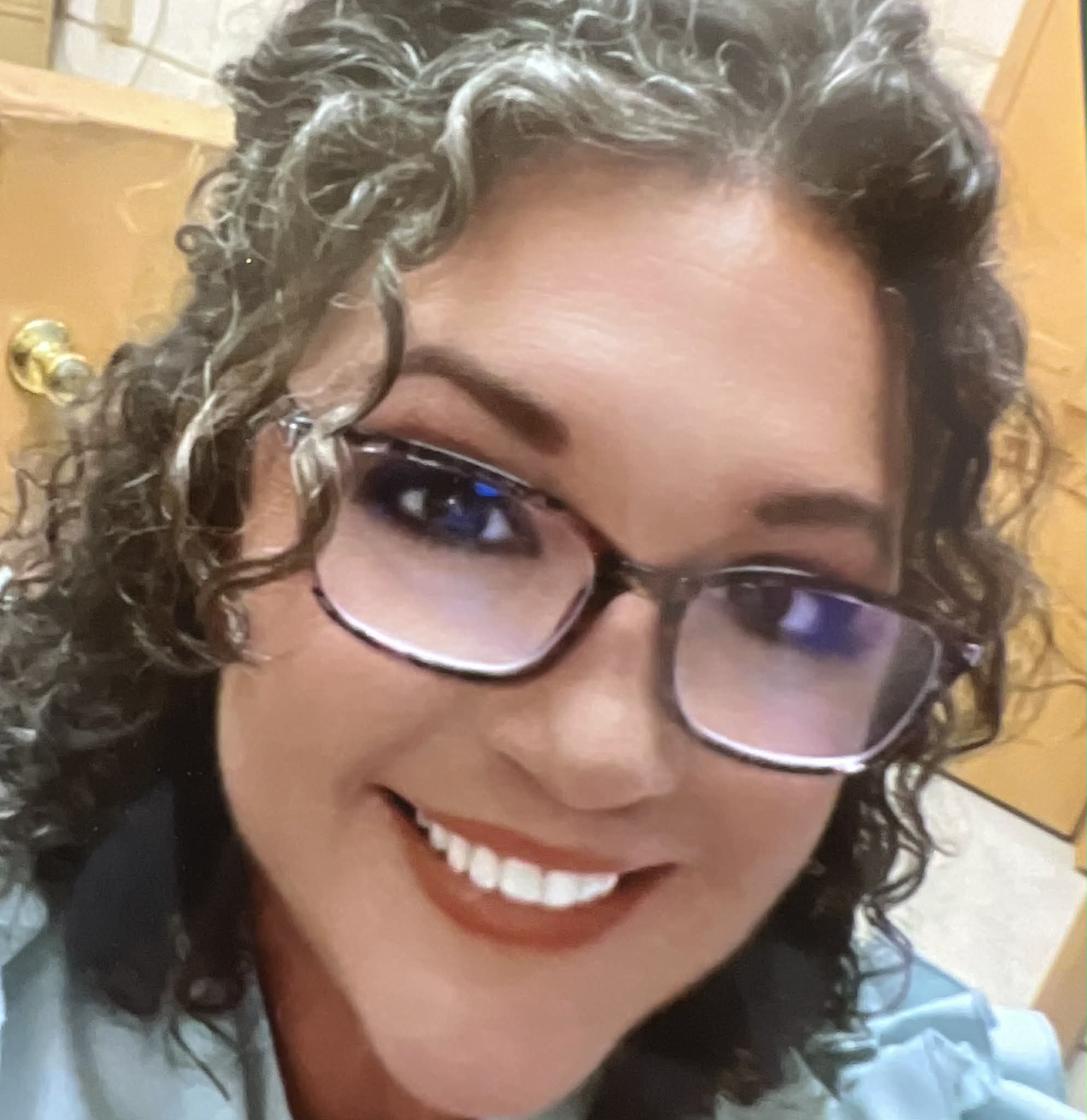
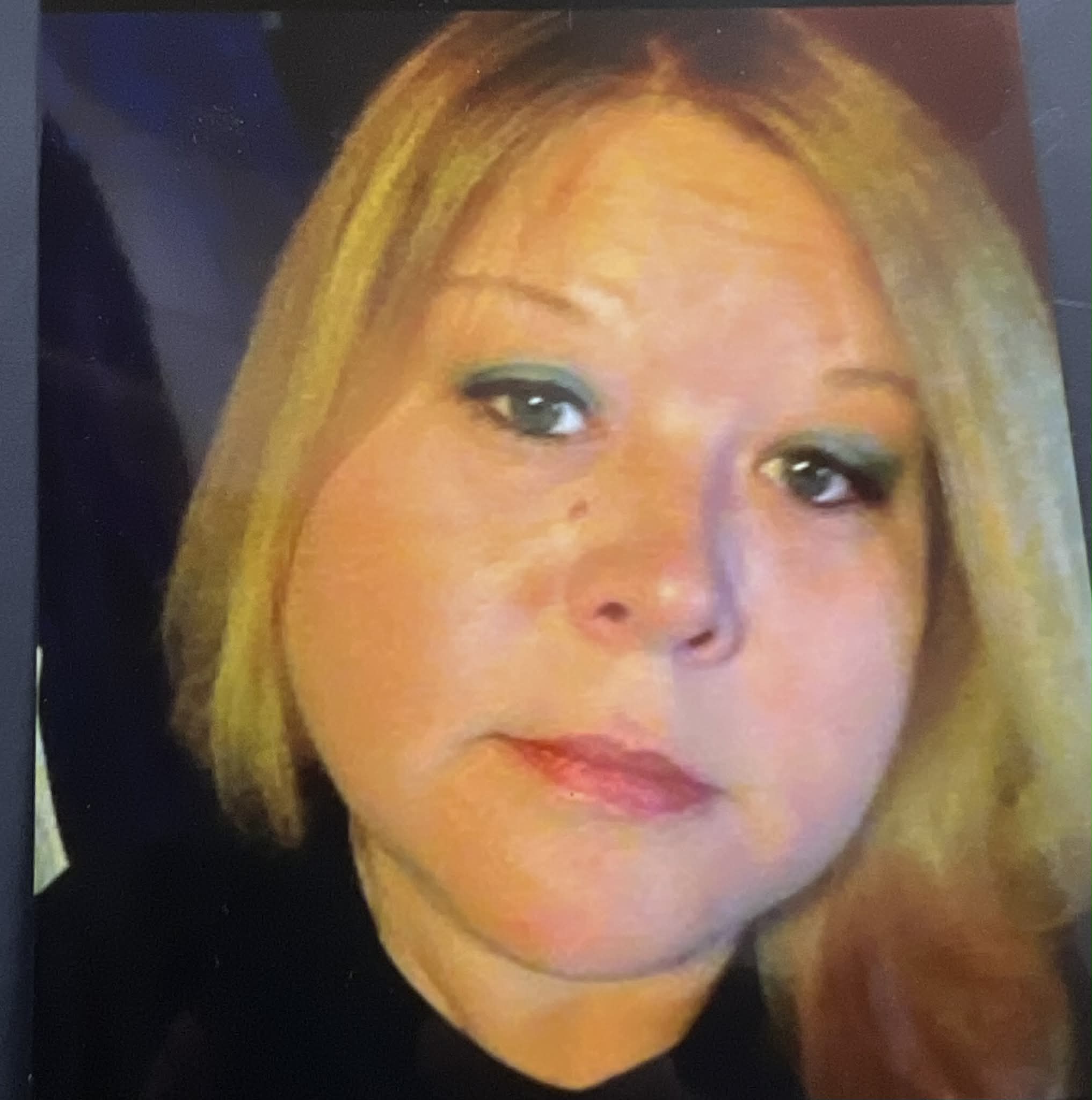
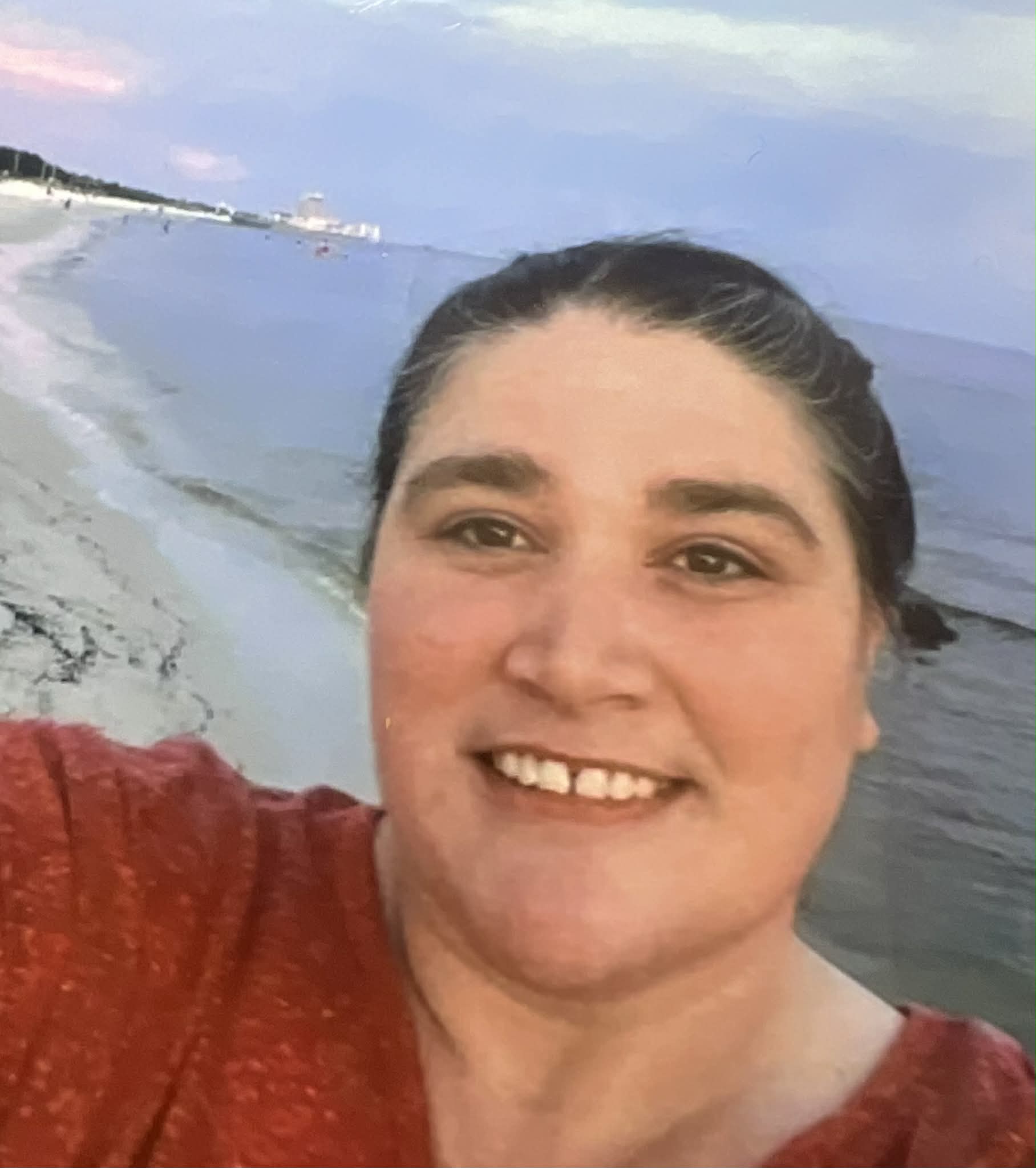
Joining Best on the dispatcher team are Tee Whatley, Lynne Rawls, Kristy Evans and Danicia Best.
As Best concludes, the motivation remains simple: "I love this county. They are my people, and my job is to take care of them."