

(David West is Cleveland County’s Staff Chair and Agriculture Agent with the University of Arkansas System Cooperative Extension Service. Contact David via email at dwest@uada.edu or phone at (870) 325-6321.)
The oppressive heat of July and August may have scorched the idea of gardening right out of your mind. Maybe it’s time to kick back and relax… However, some may see the approaching change of seasons as a new opportunity in the garden. Though we may have several hot days ahead it is time to start planning a fall garden. Fall vegetable gardening offers a chance to harvest fresh, homegrown vegetables into the colder months. Starting in late July through mid‑September offers a perfect window to plant.
Site Preparation: For a fall or spring garden, choose a sunny site that receives at least six hours of direct sunlight daily and has well‑draining soil. If you are transitioning from a summer garden to a fall garden, remove any leftover summer plants and weeds.
Before planting, test your soil through your local Extension office and amend as needed with compost or balanced fertilizer to support strong early growth.
Choosing What to Grow
Some excellent choices for fall gardening include:
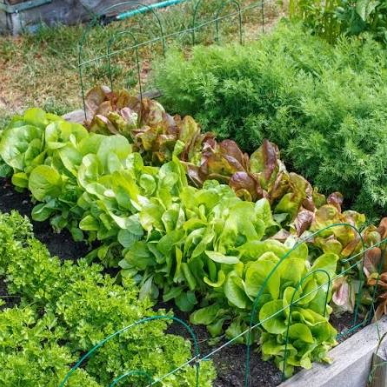
• Leafy Greens: Spinach, kale, collard greens, Swiss chard, and lettuce thrive in the cooler temperatures.
• Root Vegetables: Carrots, radishes, beets, and turnips develop deep, sweet flavors as the weather cools.
• Brassicas: Broccoli, cauliflower, and cabbage are hardy and can tolerate light frosts, making them ideal for fall planting.
• Legumes: Peas and bush beans can be planted for a late-season harvest.
Planting these vegetables in late August or early September will give them time to mature before the first frost, typically around mid-November in Zone 8. (For more details on planting dates see: Planting Dates for Fall Vegetable Production at https://www.uaex.uada.edu/yard-garden/vegetables/fall-planting-dates.aspx)
For best results, direct-seed fast-growing vegetables like radishes, lettuce, spinach, and beets; start broccoli, cabbage, or cauliflower indoors about 4 weeks before transplanting into the garden. To protect seedlings and conserve moisture, lightly cover rows with mulch or burlap and keep soil evenly moist during germination.
Tips for Fall Gardening Success
• Know your frost dates: Arkansas zones average first fall freezes between late October and mid-November—plan backward using days‑to‑maturity for each crop
• Prepare the soil: Remove summer crop residues, till or amend to improve drainage, test pH, and apply compost or balanced fertilizer as needed.
• Water deeply: Give 1 inch per week (more when seedlings are young); avoid light frequent watering that leads to shallow roots.
• Protect during frost: Use row covers, straw mulch, or fabric to safeguard tender greens when temperatures dip.
Fall gardening provides an opportunity to extend the growing season and enjoy fresh produce beyond summer. If we can help you with crop selection, soil testing, or planting dates and crop management, give us a call at the Cleveland County Extension office at (870) 325-6321 or email CEA David West at dwest@uada.edu.
Pursuant to 7 CFR § 15.3, the University of Arkansas System Division of Agriculture offers all its Extension and Research programs and services (including employment) without regard to race, color, sex, national origin, religion, age, disability, marital or veteran status, genetic information, sexual preference, pregnancy or any other legally protected status, and is an equal opportunity institution.